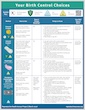
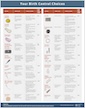
This patient fact sheet compares the different birth control options in a colorful and easy-to-read chart. The fact sheet includes essential information about each birth control method, how to use it, its impact on bleeding/menstruation, and common side effects. Along with updated language, new features include: symbols to quickly determine if a method requires a prescription, protects from STIs/HIVs, or has hormones, a QR code to scan to easily pull up the resource on a smartphone, and hyperlinks attached to each method picture to seamlessly find our method-specific user guides for more in-depth information.
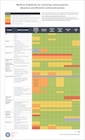
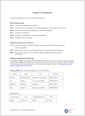
A tool for health care providers who want to check a patient’s medical eligibility for various forms of contraception as they relate to absolute and relative contraindications.
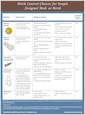
This colorful and easy-to-read chart compares birth control choices for people assigned male at birth. The sheet explains how to use different methods, things to know, and how well each method works. Ideal for health centers, doctor’s offices, and school clinics.
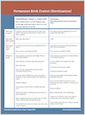
This patient fact sheet explains permanent birth control (Sterilization) options for men and women. Compares methods based on efficacy. Lists average cost and outlines pros and cons of different methods.
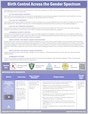
This resource explains different birth control methods for people across the gender spectrum, with a focus on the effects of different forms of birth control on those taking gender-affirming hormones such as testosterone. Reading Grade Level (Flesch-Kincaid Grade Level): 6.7
This presentation is a teaching tool was created for a clinical audience to demonstrate how to use WHO/CDC categories for eligibility, how to counsel patients about contraceptive efficacy for successful prevention of unintended pregnancy and to address systems practices which can affect contraceptive initiation and continuation rates.