Jul 19

Insights: Initiating Depo or Nexplanon after a medication abortion
Guidance on initiating progestin injection or progestin implant after a medication abortion.
Help Us Protect Access to Sexual and Reproductive Health Care Today!

Jul 19
Guidance on initiating progestin injection or progestin implant after a medication abortion.
Jul 12

Women who take St. John’s wort should consider using a barrier method along with oral contraceptive pills. Pill users who need medication for depression should consider something other than St. John’s wort. The possible interaction between St. John’s wort and oral contraceptives highlights the importance of asking patients about their use of health supplements.
Jun 14

Long-Acting Reversible Contraceptive (LARC) methods are a great option for people who want a method they don’t have to think about. This Contraceptive Pearl addresses LARC use, specifically for teens.
Jun 01
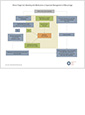
An algorithm for managing phone calls from patients experiencing bleeding during medication or expectant management of miscarriage.
May 17
This issue summarized the key equipment and supplies needed to provide manual vacuum aspiration in an outpatient setting.
May 10
The Zika virus poses an international public health threat. A more vigorous and appropriate response to Zika should include full access to contraception, prenatal care, options counseling, abortion care, and pediatric developmental services. Read about the relation between the Zika virus and reproductive health in this Contraceptive Pearl.
Apr 12
Which oral contraceptive pills (OCPs) are best for patients at risk for cardiovascular disease? Find out in this Contraceptive Pearl.
Mar 15
This issue outlines the use of low-sensitivity pregnancy tests in managing medication abortion.
Mar 08
The progestin IUD is a safe and effective method of decreasing menstrual bleeding which spares future fertility and decreases costs.
Feb 09
Implant removal can be significantly more difficult than insertion. This Contraceptive Pearl details the “pop-out” or “fingers only” implant removal technique, which requires less anesthesia and a smaller incision and causes less swelling than removal with instruments.