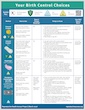
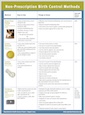
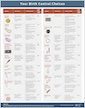
This patient fact sheet compares the different birth control options in a colorful and easy-to-read chart. The fact sheet includes essential information about each birth control method, how to use it, its impact on bleeding/menstruation, and common side effects. Along with updated language, new features include: symbols to quickly determine if a method requires a prescription, protects from STIs/HIVs, or has hormones, a QR code to scan to easily pull up the resource on a smartphone, and hyperlinks attached to each method picture to seamlessly find our method-specific user guides for more in-depth information.
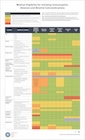
A tool for health care providers who want to check a patient’s medical eligibility for various forms of contraception as they relate to absolute and relative contraindications.
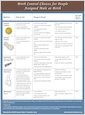
This colorful and easy-to-read chart compares birth control choices for people assigned male at birth. The sheet explains how to use different methods, things to know, and how well each method works. Ideal for health centers, doctor’s offices, and school clinics.
This presentation is a teaching tool was created for a clinical audience to demonstrate how to use WHO/CDC categories for eligibility, how to counsel patients about contraceptive efficacy for successful prevention of unintended pregnancy and to address systems practices which can affect contraceptive initiation and continuation rates.
This course from Innovating Education, Structures & Self: Advancing Equity and Justice in Sexual and Reproductive Healthcare, is a learner-led, justice-informed curriculum designed to teach clinical learners to consider how systems of power and legacies of structural oppression impact their care for patients.
Most patients can safely begin using hormonal contraception at any point in their menstrual cycle. This article covers an evidence-based, flexible, patient-centered approach to initiating contraception promotes health and enhances patients’ reproductive autonomy. This article was published in American Family Physician in March 2021. It is an update of an article originally published in 2006.…
Natural Family Planning (NFP) methods, also known as Fertility Awareness, help women track their fertile and non-fertile days. This Contraceptive Pearl discusses Natural Planning Methods, their efficacy and important considerations.