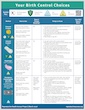
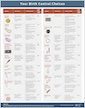
This patient fact sheet compares the different birth control options in a colorful and easy-to-read chart. The fact sheet includes essential information about each birth control method, how to use it, its impact on bleeding/menstruation, and common side effects. Along with updated language, new features include: symbols to quickly determine if a method requires a prescription, protects from STIs/HIVs, or has hormones, a QR code to scan to easily pull up the resource on a smartphone, and hyperlinks attached to each method picture to seamlessly find our method-specific user guides for more in-depth information.
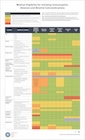
A tool for health care providers who want to check a patient’s medical eligibility for various forms of contraception as they relate to absolute and relative contraindications.
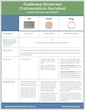
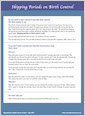
This sheet answers common patient questions about continuous use of birth control (especially the pill, patch, and ring), skipping periods and explains how to do so safely.
This presentation is a teaching tool that was created for a clinical audience to demonstrate medical contraindications to contraceptive use using the CDC Medical Eligibility Criteria for Initiating Contraception.
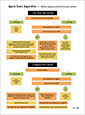
This presentation is a teaching tool was created for a clinical audience to demonstrate how to use WHO/CDC categories for eligibility, how to counsel patients about contraceptive efficacy for successful prevention of unintended pregnancy and to address systems practices which can affect contraceptive initiation and continuation rates.
Updated November 29th, 2022 The three birth control patches available in the US deliver estrogen and progestin transdermally. Some people find a once-weekly patch easier to remember than a daily pill. The newest patch, Twirla, contains lower doses of hormones: Brand Name Estrogen Progestin Xulane 35 mcg 150 mcg norelgestromin Zafemy 35 mcg 150 mcg norelgestromin Twirla 30 mcg…